Best Fairbanks Northern Lights Tours and Excursions
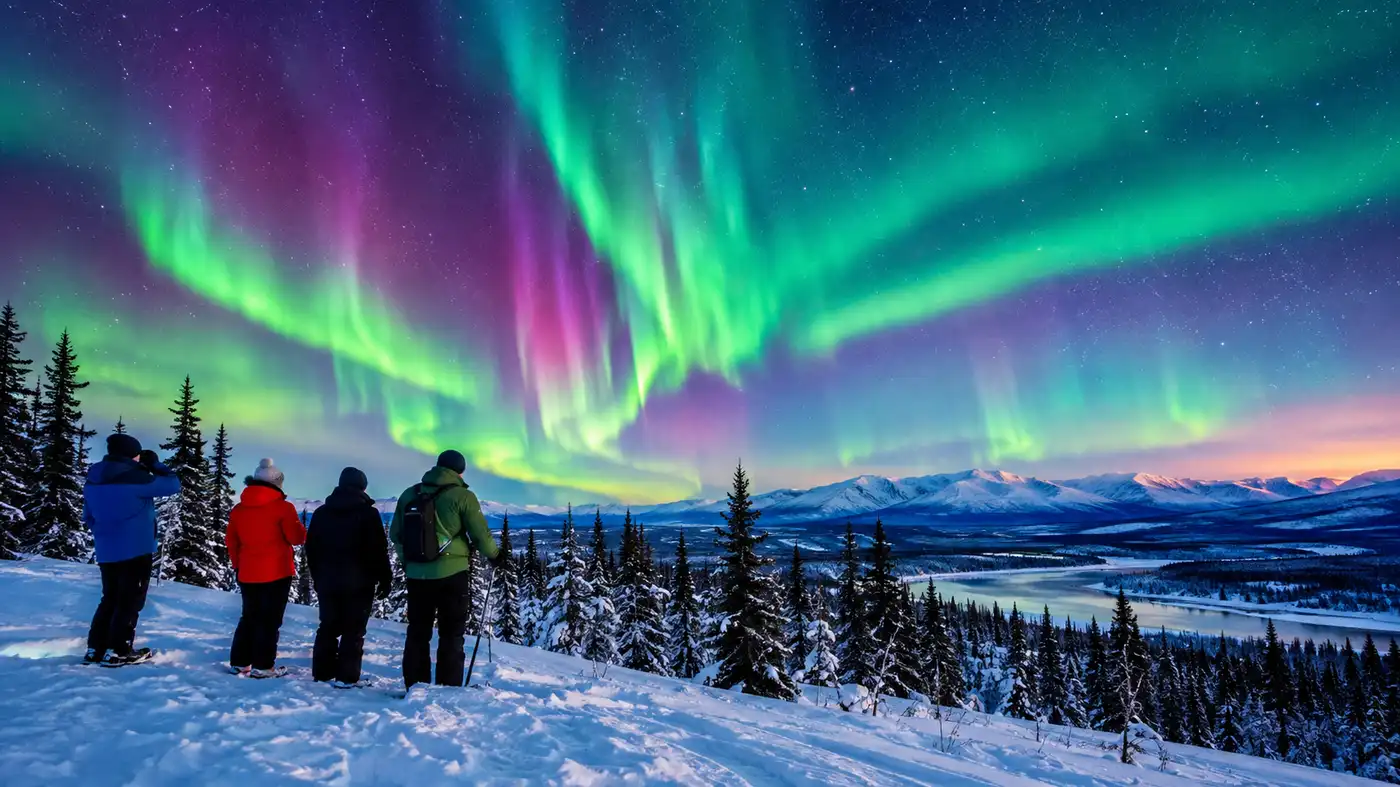
Standing on a frozen turnout off the Elliott Highway at two in the morning rearranges your priorities. Your toes feel cold, your nose runs, and the silence across the black spruce forest is so deep you can hear your own pulse. Then the sky cracks open in pale lime ribbons that suddenly twist into violet curtains. Finding the best northern lights tours in fairbanks comes down to choosing how you want to experience that exact moment, whether from inside a heated Mercedes Sprinter van darting between cloud breaks or while sipping spiced tea inside an off-grid Mongolian yurt.
Fairbanks sits squarely beneath the Auroral Oval. That geographic position makes it one of the most reliable places on earth for sky watching between late August and mid-April. Still, sorting through dozens of operators who all promise neon green skies can be overwhelming. Some outfits cater to photographers hauling heavy tripods and three camera bodies. Others focus on cozy comfort for families who cannot stomach five hours standing on hard-packed snow. The right choice depends on your tolerance for sub-zero temperatures, how long you can stay awake, and whether you want to ride out the night in one spot or chase holes in the clouds.
Book your fairbanks northern lights experience:
Mobile Chasers or Heated Cabins: Choosing the Best Aurora Tours Fairbanks Style
Every Fairbanks northern lights tour falls into one of two categories. You either stay stationary at a base camp, or you drive all night hunting clear weather. Neither option is objectively better than the other, though operators will argue passionately about why their approach wins.
Stationary operations take you to a dedicated lodge, yurt, or homestead far outside town light pollution. You arrive around 10:00 PM. A woodstove is roaring, hot cider is simmering on a counter, and you step outside whenever the guides yell that the sky is active. When the cold bites through your wool socks after twenty minutes, you just walk back inside. It is civilized. It is comfortable. But if a bank of low clouds rolls in from the Tanana River valley and parks itself over that cabin, your night is pretty much done.
Mobile aurora chasing tour Fairbanks operators do the opposite. They monitor live satellite maps, regional weather stations, and radio chatter with other drivers. If Fairbanks is socked in under fog, they might drive 65 miles north toward the White Mountains or southwest toward Nenana to find a pocket of stars. You trade the luxury of a woodstove for a high-roof van seat and roadside snowbanks. Honestly, if you only have two nights in town, chasing gives you vastly better mathematical odds.
| Tour Style | Typical Cost | Group Size | Pros | Cons |
|---|---|---|---|---|
| Mobile Van Chase | $185 - $265 | 8 - 14 guests | Highest odds of escaping local clouds; covers up to 150 miles. | Cold roadside viewing; port-a-potties or wilderness bathroom stops. |
| Remote Lodge or Yurt | $125 - $175 | 12 - 25 guests | Warm indoor shelter, flushing toilets, hot drinks, easy resting. | Stuck in one geographic spot if clouds roll in overhead. |
| Arctic Circle Expedition | $295 - $385 | 6 - 10 guests | Crosses the 66°33′ line; rugged scenery; aurora viewing on return drive. | Very long day (14-16 hours); rough travel on gravel roads. |
| Private Photography Tour | $450 - $700 | 1 - 4 guests | 1-on-1 camera tutoring; stops at scenic foreground locations. | Expensive; guide paces the night around camera settings. |
Pro tip: Ask your guide if they provide portrait photos with the lights included in the ticket price. Commercial aurora portraits often cost $40 extra per photo from budget operators, while top-tier guides send a gallery link for free three days later.
Chasing the Gaps: Fairbanks Aurora Chasing Tour Operators
The best mobile excursions feel like scientific expeditions run by friendly obsessives. Guides know every mile marker, every radio dead zone, and which ridges create rain shadows that block incoming moisture. On cloudy evenings, you might start out heading north on the Steese Highway, abort at Mile 28, turn around through town, and barrel west down the George Parks Highway toward Ester. You spend four to six hours watching real-time satellite updates on a tablet mounted to the dashboard.
Van comfort matters when you spend six hours inside one. Quality operators run converted Ford Transits or Mercedes Sprinters with extended roofs, individual USB chargers, and heavy supplemental heating systems that keep the floorboards warm even when it hits 25 below zero outside. Cheap operators cram nine passengers into standard minivans where your knees press against the seat ahead and frost coats the inside glass. Always check what vehicle the company runs before booking.
Another factor is group dynamics. When a guide has eight people, they can help everyone set up tripods, adjust mirrorless camera apertures, and pour hot cocoa without rushing. When an operator runs a 24-passenger minibus, you spend half the night waiting for passengers to pull on snowpants at rest stops. Look for small-group northern lights tours in fairbanks alaska that cap guest counts at ten or twelve.
Stationary Outposts: Fairbanks Northern Light Tour Lodges and Yurts
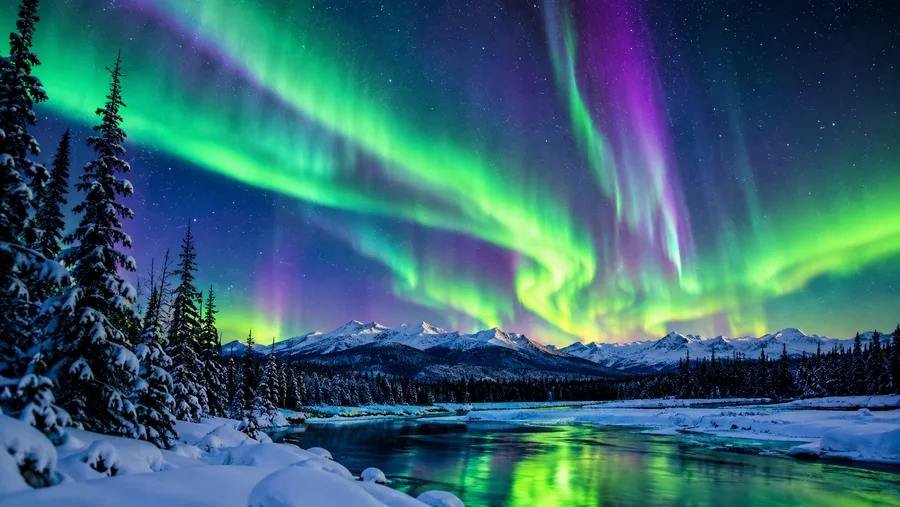
If spending six hours buckled into a van sounds miserable, book an evening at an off-grid cabin instead. These tours take you to private properties high on local ridges, like Murphy Dome or the hills above Goldstream Valley, where city glare drops below the horizon. The elevation often keeps you above low valley fog that settles over the Chena River basin.
Inside, the atmosphere is social and relaxed. People play cards, swap stories about where they flew in from, and watch through picture windows facing north. When the lights ignite, everyone steps onto an observation deck or into an open field. You can watch the display for fifteen minutes, rush inside to warm your hands over the fire, and head right back out when the auroral arc breaks into dancing rays.
When you browse stationary fairbanks aurora viewing tours, prioritize properties that offer the right infrastructure:
- Unobstructed 360-degree horizons: Cabins tucked into thick spruce woods block low auroral arcs that hover near the northern horizon during quieter geomagnetic periods.
- Red-light exterior policies: Quality viewing locations ban bright white flashlights outside because white light destroys night-adjusted vision for twenty minutes.
- Indoor window views: Being able to see the northern sky while sitting on a warm sofa makes late-night waiting pleasant for kids or older travelers.
- Flushing or heated indoor restrooms: Traditional outhouses at minus twenty are an adventure nobody needs twice in one night.
Book your fairbanks northern lights experience:
Combining Sights: Arctic Circle and Hot Springs Excursions
Many travelers choose to bundle daytime sightseeing with their evening aurora watch. This saves both daylight hours and tour budget. The most iconic combination is driving north on the Dalton Highway to cross the Arctic Circle, followed by aurora hunting on the midnight return drive.
You can read more about planning these combo trips in our guide to Arctic Circle and hot springs northern lights tours from Fairbanks. The Dalton Highway is an industrial haul road dominated by semi-trucks, meaning you should never attempt it alone in a standard rental sedan during winter. Booking a commercial day tour takes the terrifying road conditions off your shoulders. Guides carry dual satellite communicators, industrial recovery gear, and heavy survival equipment.
Chena Hot Springs is another classic pairing. You soak in mineral waters surrounded by ice-crusted boulders during the evening, grab dinner, and then head up to Charlie Dome via tracked military snow-coaches around 11:00 PM. It makes for an effortless rhythm, especially if your body is still adjusting to Alaska time.
Note: Dalton Highway day trips are grueling, usually running 14 to 16 hours straight. If you have chronic back pain or get car sick on rough washboard ice, skip the Arctic Circle drive and stick to tours closer to town.
Packing and Preparation for Tours to See the Northern Lights in Alaska
Cold in interior Alaska is dry, silent, and predatory. It creeps through thin boot soles in about eight minutes if you stand still on frozen ground. Most tour operators provide arctic gear rentals, including heavy Baffin boots, Canada Goose parkas, and snow bibs, either included with the ticket or for a modest $30 fee. Take the rental gear. Your ski jacket from Colorado will not cut it when wind whips across an exposed ridge at two in the morning.
Photography requires its own strategy. Freezing temperatures cause lithium-ion camera batteries to drain in a fraction of their normal lifespan. Keep your spare batteries inside an interior coat pocket close to your chest so body heat keeps them alive. If your camera dies mid-display, you will have to wait forty minutes while a pocket warms it back up. Our detailed Fairbanks northern lights viewing and photography guide covers exact manual camera settings for capturing fast-moving active ribbons.
Here is what you genuinely need to bring on night excursions in Fairbanks Alaska:
- Heavy composite or felt-lined winter boots: Look for cold ratings down to minus forty, with thick rubber soles that insulate your feet from frozen road gravel.
- Thin touch-screen glove liners: Wear these inside heavy mittens so you can adjust camera dials or smartphone screens without exposing bare skin to freezing metal.
- A sturdy metal-legged tripod: Cheap plastic tripod heads become brittle and snap when temperatures fall below zero.
- A headlamp with a red-light mode: Red beams let you find gear inside your daypack without blinding fellow travelers trying to preserve their night vision.
- Sturdy zip-top plastic freezer bags: Seal your cold camera inside the bag before stepping into a warm van so condensation forms on the plastic instead of inside your camera lens.
Most travelers make the mistake of booking just one excursion during their vacation. Aurora activity follows cycles, and weather patterns shift quickly over the Tanana Valley. Booking tours on at least three consecutive nights gives you roughly a ninety percent chance of catching an active, colorful display. If night one turns into a blizzard, you will not spend the rest of your vacation stressed about missing the show.
Frequently Asked Questions about best northern lights tours in fairbanks
What time of night do Fairbanks aurora tours usually run?
Most excursions depart town between 9:00 PM and 10:30 PM, returning between 3:00 AM and 4:30 AM. Peak aurora activity typically happens between 11:30 PM and 2:30 AM, when Fairbanks sits directly beneath the magnetic midnight sector of the auroral oval.
Are mobile chasing tours better than lodge viewing tours?
Mobile tours offer better odds when local weather is iffy because drivers can travel 50 to 100 miles to find clear patches between cloud layers. Lodge tours offer better warmth, comfortable indoor seating, hot drinks, and indoor restrooms, making them far easier for kids and seniors.
Can I see the lights on tours in September or April?
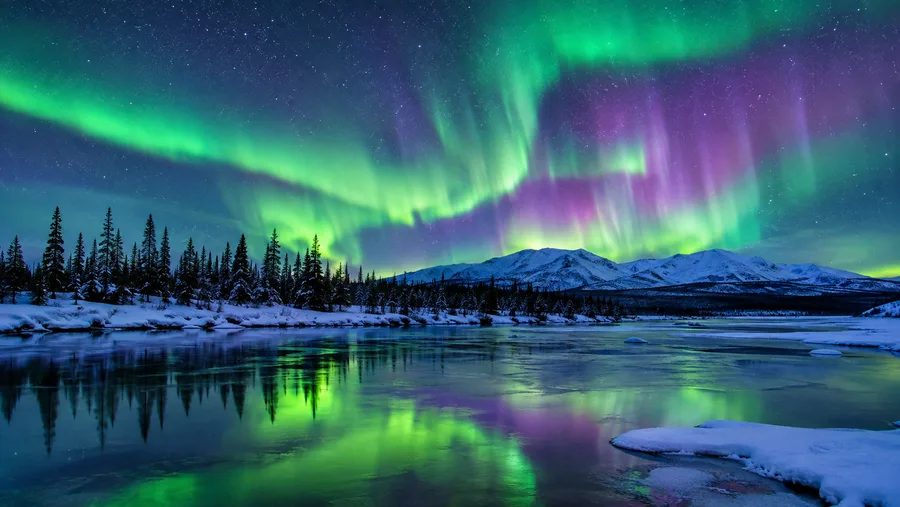
Yes. Auroras occur year-round, but you need dark night skies to see them. The Fairbanks viewing season runs from August 21 to April 21. September is wonderful because lakes are not yet frozen, allowing you to photograph vibrant green lights reflected across open water without braving extreme sub-zero cold.
Quick Reference
- Season runs from August 21 through April 21
- Peak viewing window is 11:00 PM to 3:00 AM
- Average van tour price is $180 to $250 per guest
- Always choose tours providing thermal boots and parkas
- Book at least 3 nights for a 90% viewing probability
Book your fairbanks northern lights experience:
The Bottom Line
Seeing the aurora borealis is not like visiting a museum where exhibits wait patiently on the wall. It is wild, erratic, and utterly indifferent to human travel schedules. Booking an experienced local guide turns the odds heavily in your favor. Whether you decide to bounce down frost-heaved highways in a heated Sprinter van chasing cloud gaps or sit beside a barrel stove inside a cozy Goldstream valley yurt, Fairbanks delivers when the sky decides to dance. Dress warmer than you think is sensible, bring extra batteries, and give yourself several nights under the stars to let the subarctic magic happen.
Read more about fairbanks northern lights.